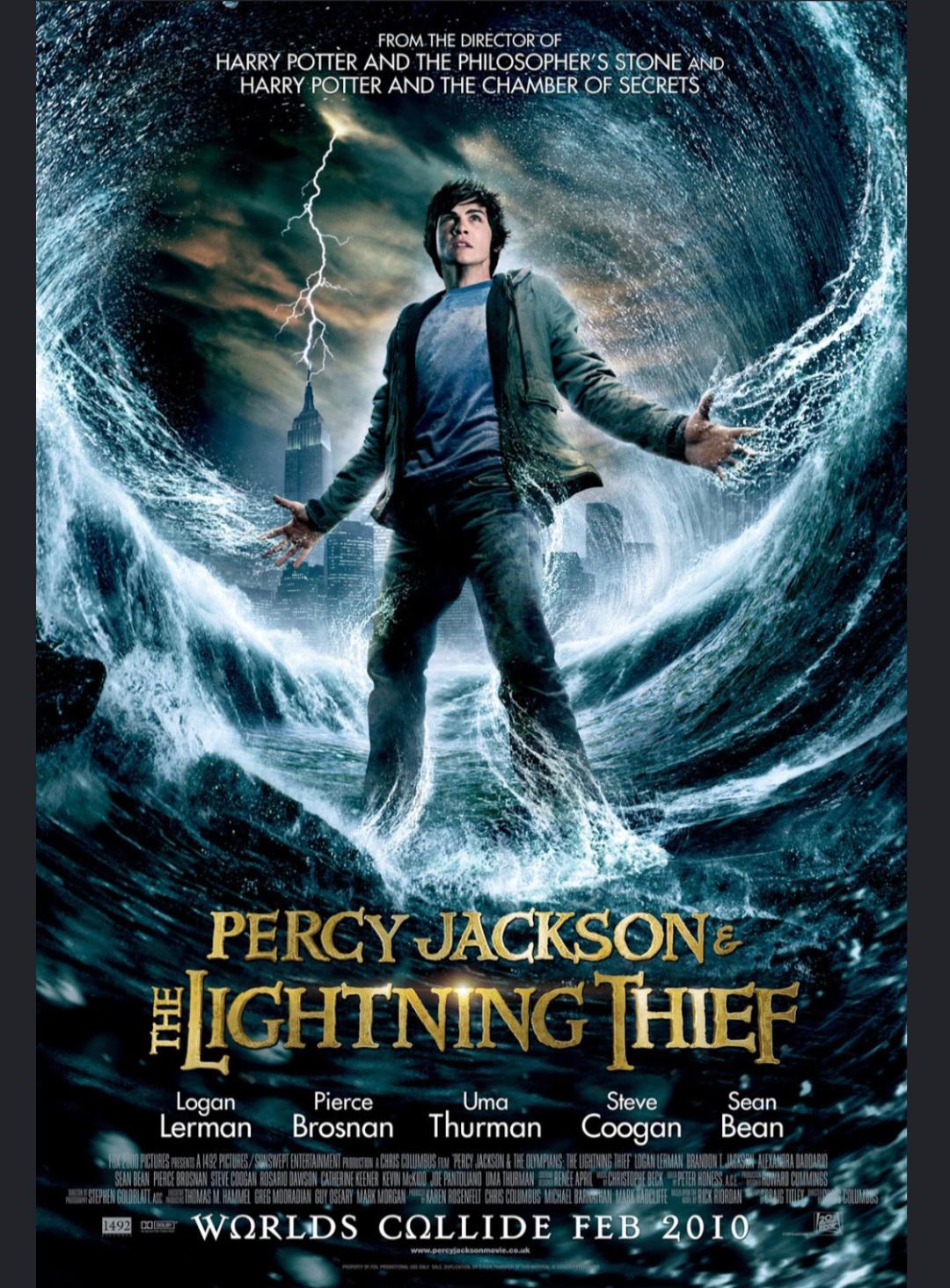
Ancient mythology has long served as a foundational bedrock for human storytelling, inspiring countless epics, poems, and folktales. However, bringing these timeless figures into contemporary settings—where ancient deities navigate modern cities, high schools, or corporate environments—frequently sparks intense debate among readers and enthusiasts. While millions embrace modern fantasy adaptations as imaginative entry points into classical lore, purists often argue that shifting these narratives out of their historical context strips them of their original power and cultural resonance.
At the heart of the friction is a fundamental disagreement over how mythic traditions should be treated. Passionate defenders of traditional source material often argue that altering the setting, character descriptions, or core dynamics of ancient deities disrespects the historical texts. To critics of modern adaptations, these stories are fixed literary artifacts that lose their integrity when retrofitted to appeal to contemporary sensibilities. As one observer put it, questioning the faithfulness of these adaptations, "unfaithful to the myths, lol."
On the other side of the spectrum, literary historians and enthusiastic readers point out that mythology has never been static. Long before modern novels or comic books reimagined them, ancient stories were retold, altered, and adapted across centuries by different cultures, city-states, and oral storytellers. Because ancient mythologies lack a single authoritative canon like modern religious texts, they have always been subject to fluid interpretations. Many argue that rigid adherence to a single version misses the point of how legends survive. Capturing this sentiment, one reader noted, "If it makes you feel any better greek (and others like norse) mythology doesn't have a 'canon' in the same way modern belief systems like Christianity or Islam do. Its basically impossible to be 'unfaithful' to greek mythology because there is no 'proper' version of it."
Furthermore, popular contemporary adaptations often serve as the primary gateway for younger generations to discover classical literature. Works that translate ancient pantheons into accessible, youth-oriented adventures frequently ignite a lifelong passion for history and folklore that might otherwise remain dormant. Highlighting this impact, a reader shared, "Percy Jackson is the reason why most people even know about mythology lmao. Also, it was mostly meant for younger people and was a great series to read as a kid tbh. That’s a good thing in general, kids reading!"
Ultimately, the tension between preservation and reinvention highlights humanity's enduring fascination with gods, monsters, and heroes. Whether one prefers strict fidelity to ancient texts or inventive modern spins that place divine beings in the twenty-first century, these creative clashes prove that ancient myths are still very much alive, evolving alongside the cultures that continue to tell them.