Formula 1 teams are constantly searching for any possible competitive edge, pushing the boundaries of the rulebook to squeeze performance out of every millimeter of carbon fiber. However, this high-stakes game of interpretation and regulation enforcement always carries a catch: once a team finds a clever way around a technical constraint, the governing body is rarely far behind with a rule clarification.
The Anatomy of an Aero Loophole
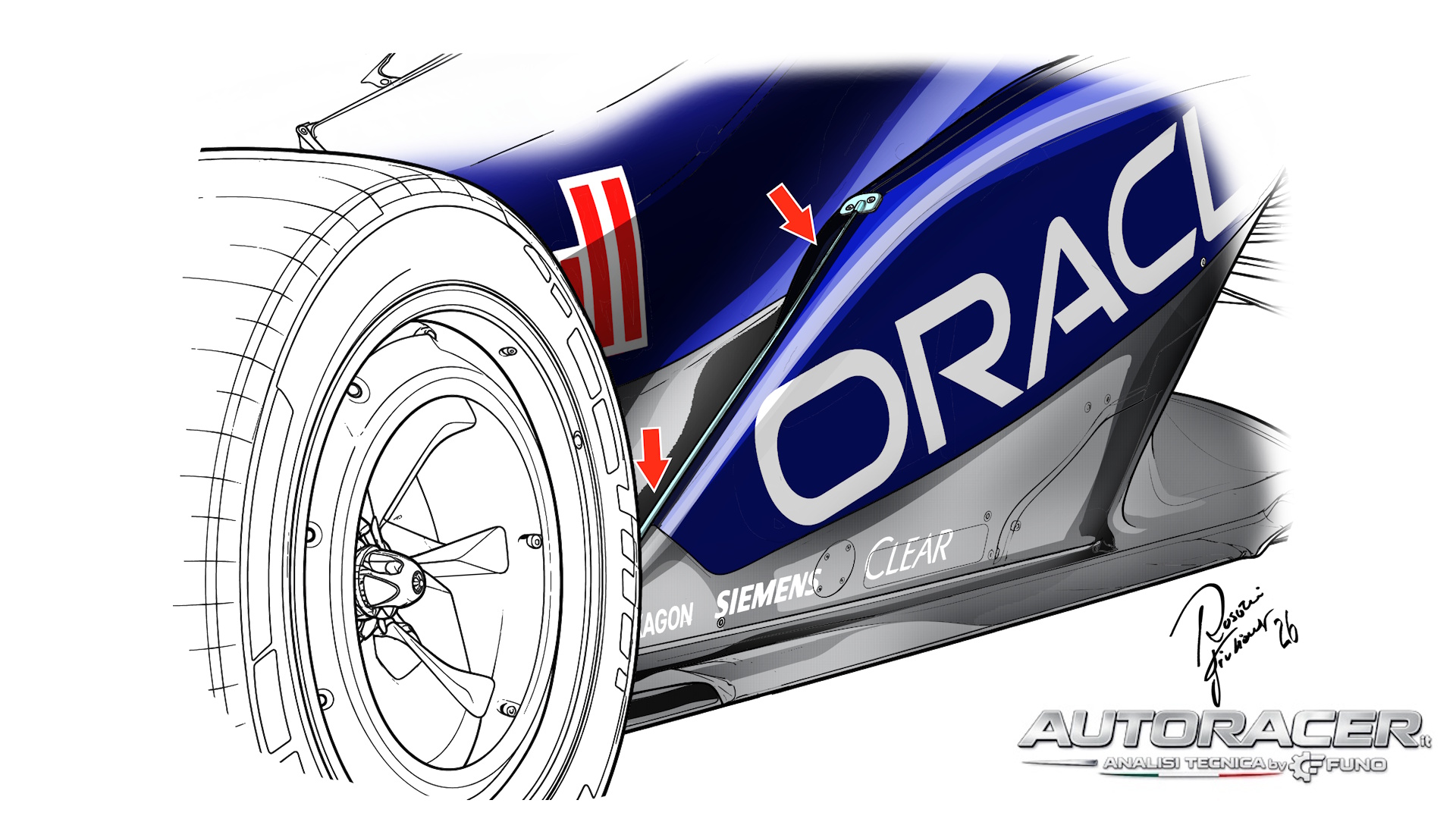
At the center of the latest regulatory discussion is a design choice utilized by leading constructors. By exploiting the intersection between the floor body stay and the surrounding bodywork, teams have been able to achieve more aggressively hollowed-out sidepods. This mechanical arrangement allowed for aerodynamic advantages that bypassed strict radius rules governing body parts, creating a clever workaround to optimize airflow around the lower midsection of the car.
While the method was pioneered by Red Bull, it was subsequently studied and adopted by other outfits, including Audi. To the teams utilizing it, the design represents standard F1 engineering: finding an unwritten grey area within a complex rule set to maximize performance.
Closing the Gap for 2027
Regulators, however, view things differently when an innovation circumvents the intended spirit of the rules—particularly concerning aerodynamic outwash and dirty air that can hinder closely following cars. Starting with the 2027 season, new restrictions will clamp down on this specific area, limiting the permitted distance between the structural support and the bodywork to just 5 millimeters. This change will effectively neutralize the trick in its current form and force affected teams back to the drawing board.
The announcement has sparked familiar debates among observers regarding how regulatory adjustments impact different organizations. Many pointed out that clever design interpretations are routinely scrutinized and phased out over time, noting, "Some clever way of getting around a regulatory limit isnt automatically valuable innovation. In this case, the FIA wants a radius limit on this aero surface, teams found a gap in the regs that circumvents it, the FIA closes the gap."
Others questioned whether regulatory crackdowns disproportionately affect certain front-running teams, leading to broader discussions about the ongoing political chess match behind the scenes. Observers highlighted the cyclic nature of F1 development, where teams constantly balance the push-and-pull of introduction, prohibition, and adaptation.
Ultimately, the incoming 2027 technical shifts promise a substantially redesigned aerodynamic landscape. Whether engineering departments will uncover alternative grey areas or pivot cleanly to the new baseline remains one of the sport's most compelling unfolding narratives.

