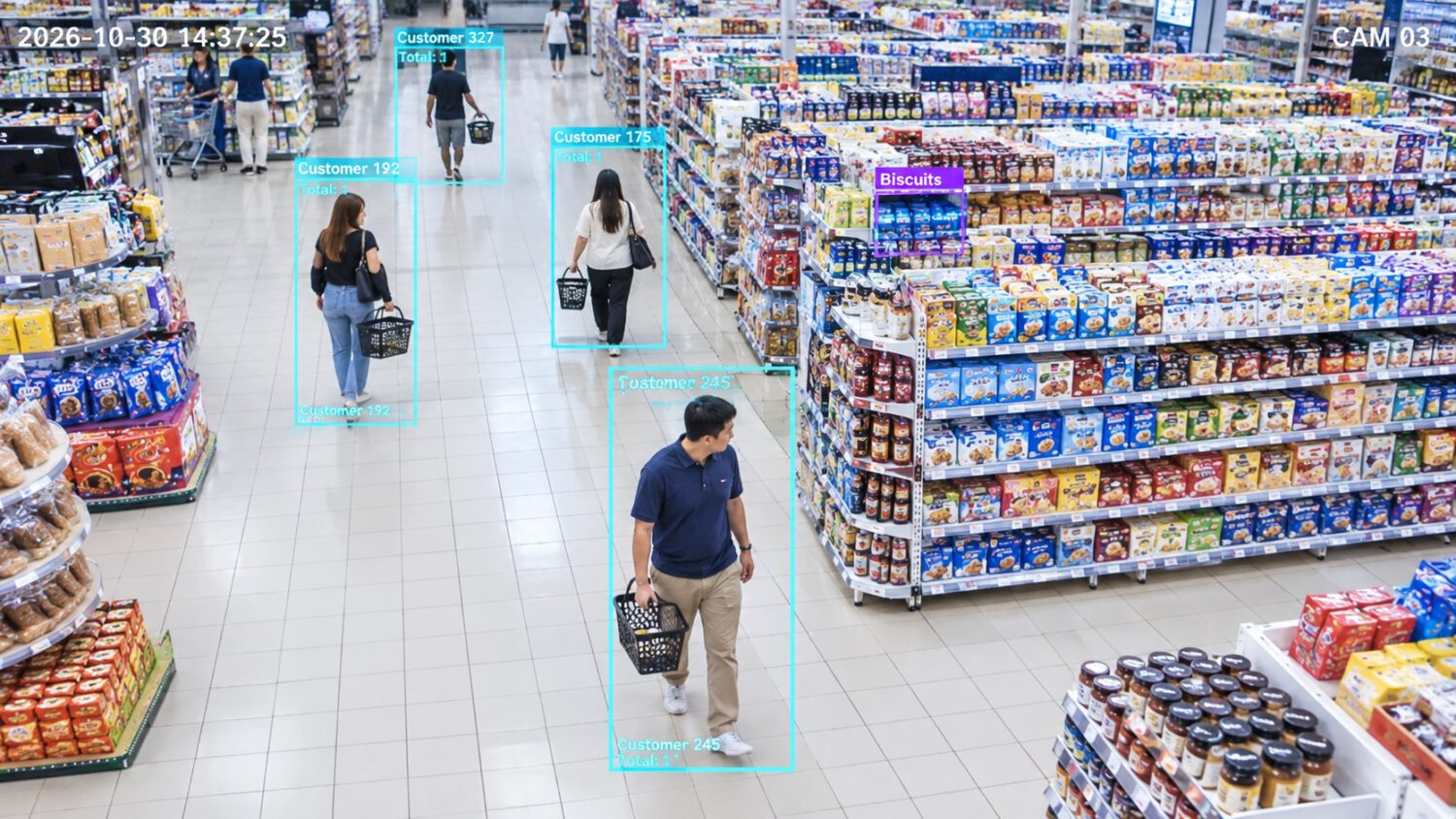
The Growing Concern of AI-Powered Shoplifting Accusations
Imagine walking into a store, only to be accused of shoplifting and told to leave, simply because of a faulty AI system. This is the alarming reality for an increasing number of innocent people, as AI-powered facial recognition technology is being used to identify potential shoplifters, often with dire consequences.
The story of a man who, after being accused of shoplifting at a Home Bargains store, later admitted to being scared to enter a shop, is just one example of the impact these systems can have. Facewatch, the company behind the technology, operates by mapping shoppers' facial geometry and comparing it to a watchlist of suspected criminals. This raises serious questions about the collection and use of biometric data, especially when the system's accuracy is in doubt.
The Human Cost of False Accusations
When the system flags a potential match, staff are alerted. However, these alerts have led to confrontations, bag searches, and even store bans, despite a possible match not being proof of wrongdoing. The case of Danielle Horan, who was wrongly placed on Facewatch's watchlist and labeled a thief, is a stark example. She was accused and removed from stores, and her biometric data was shared between retailers, a practice confirmed by the ICO.
Another instance involved a teenager, identified as Sara, who was subjected to a bag search at Home Bargains and told she was barred from other stores using the software. Facewatch later admitted that both their technology and a human 'super-recognizer' had made a mistake.
The Complex Accountability Issue
The issue of accountability is complex. Facewatch claims responsibility for its technology, while retailers are responsible for staff interactions with customers. However, when a retailer acts on a false alert and shares the resulting ban with partner stores, the harm is widespread. Sainsbury's, for instance, paused facial recognition alerts after an incident but later resumed them, declining to comment and referring data privacy questions to Facewatch.
Legal Recourse and Systemic Change
UK data protection law provides a formal route for wrongly flagged shoppers to challenge their treatment, but this process is often bureaucratic and burdensome. The Information Commissioner's Office (ICO) allows affected individuals to make a Subject Access Request to learn what personal data an organization holds on them. However, this process can be lengthy and may require additional identifying information from the very organization that accused them.
The ICO has described accounts from wrongly flagged shoppers as 'harrowing,' and while they did not recommend regulatory action against Facewatch, they did suggest ongoing audits, privacy policy reviews, and risk monitoring.
The Need for Transparency and Regulation
The public has no way to assess the system's accuracy without meaningful performance data and independent audits. Facewatch claims success across thousands of stores but provides no verifiable numbers. Retailers should publish alert volumes and false-match rates, and watchlist sharing between stores should have defined controls and limits. The increasing public resistance to automated surveillance networks highlights the need for accountability.
Staff also need clear guidance: an algorithmic alert is not an accusation but a prompt for cautious investigation. The technology may improve, but the accountability structure must keep pace.
As one commentator noted, the situation is ripe for lawsuits, and another suggested that the wrongly accused could have a case for libel against the system provider. These incidents are not isolated, and the potential consequences for individuals and society are significant. It's time for a thorough reevaluation of how this technology is deployed and regulated.

